A CONVERSION SYSTEM 

FUEL FROM BIOMASS

We working with biomass waste such as timber, paper and cardboard, materials that are often stockpiled, sent through low-value disposal pathways or treated as waste too early. This system is designed to recognise the usable value still contained in these materials.
TIMBER, PAPER & CARDBOARD
High potential biomass streams
Through a conversion process, prepared biomass waste is transformed into syngas, a usable synthetic gas. This creates a clear pathway for biomass waste to move beyond disposal and become a practical fuel or energy resource.
CONVERTED INTo SYNTHETIC GAS
A high pressure conversion process
By utilising materials that may otherwise be wasted, we create a practical, commercial pathway toward future fuel and energy. This gives biomass waste a purpose beyond disposal and landfill.
A CLEAR ENERGY OUTCOME 

Creating new value from materials

The challenge is not only storage, but the value being lost.

MILLION

Tonnes of organic waste generated across Australia per year.

MILLION

Tonnes of paper and cardboard waste generated across Australia per year.

ENERGY

Only a small share of Australia’s recovered waste currently becomes energy.

ENGINEERED FOR ENERGY POTENTIAL

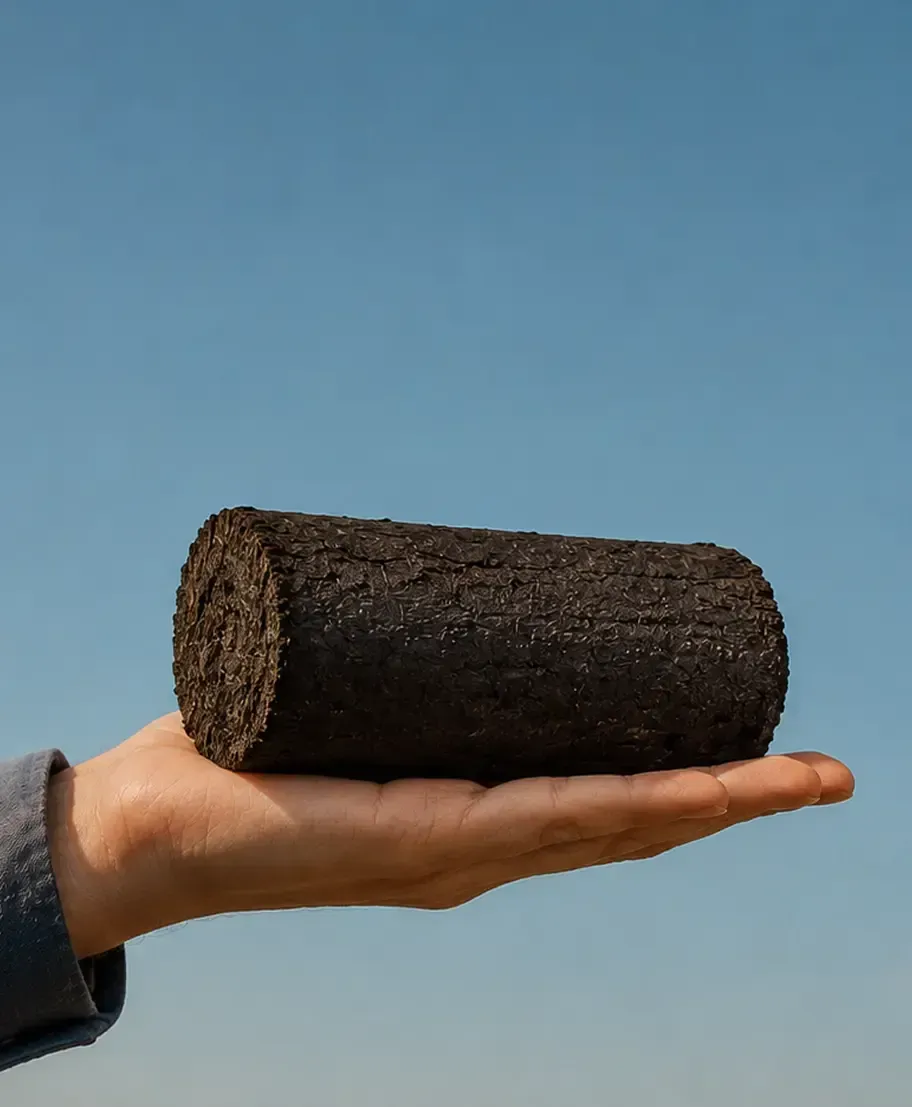
Waste2Energy’s biomass to syngas system is designed to convert timber, paper and cardboard waste into a usable synthetic gas resource. The process begins by compressing and preparing the biomass into a more consistent material stream, helping improve how it feeds through the system. From there, the material moves through a controlled thermal conversion process, where heat is used to break down the solid biomass and release its stored energy as syngas.


Syngas, or synthetic gas, is a fuel-rich gas produced from organic material. It can provide a pathway toward heat, power and other energy applications, giving biomass waste a more valuable role beyond disposal.


For clients managing high-volume biomass waste, the value is in creating a clearer pathway beyond storage, transport and disposal. Instead of allowing usable material to sit idle or move through low-value waste channels, Waste2Energy helps turn that waste stream into a practical energy opportunity.


The result is a more commercially useful outcome from materials already on site, supporting stronger resource recovery, reduced waste pressure and a more future-focused approach to waste management.
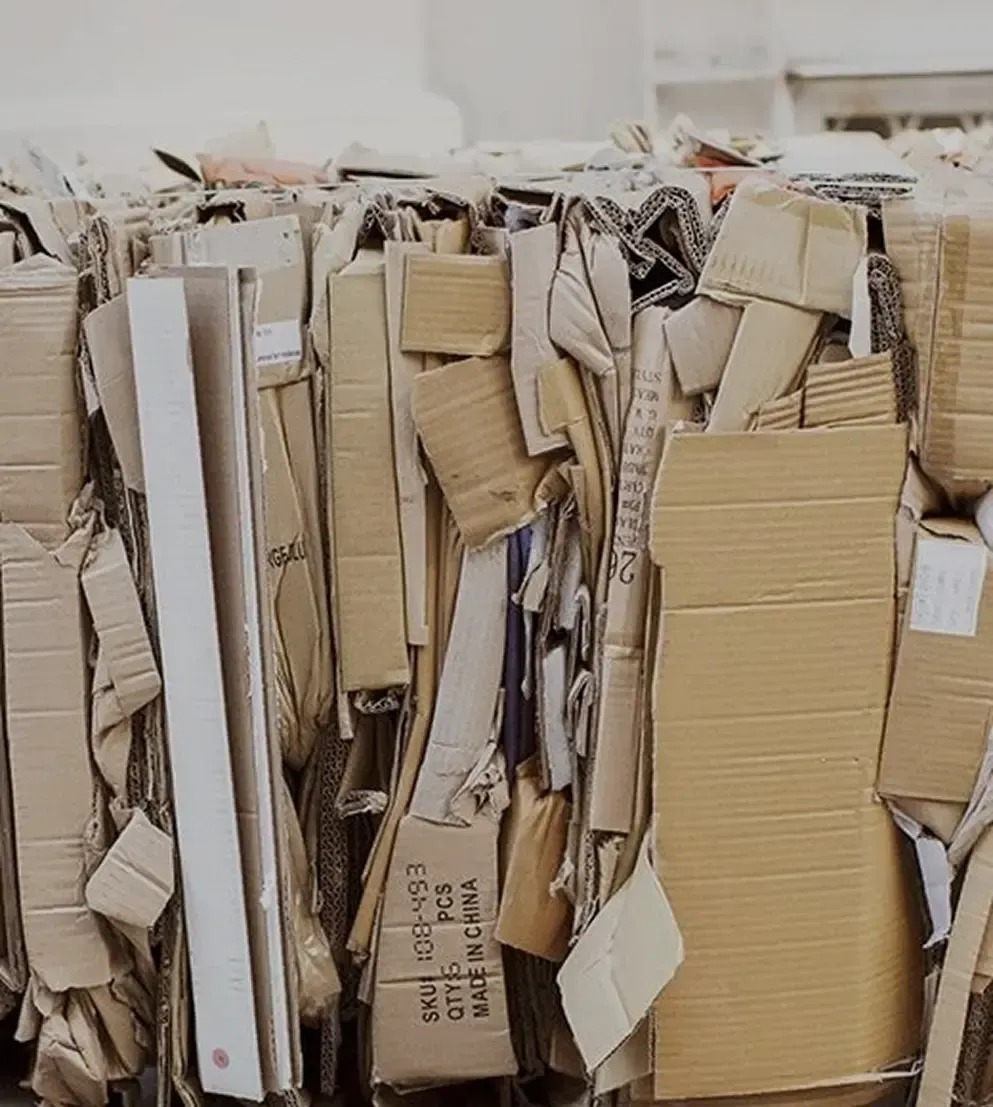
stacked cardboard for recycling
condensed biomass log

THE WASTE TO ENERGY PROCESS

STAGE 1

Timber, paper and cardboard waste is prepared into a more consistent size, density and form before conversion begins. This helps create a stable feedstock that can move through the system with greater control and reliability.
Waste Preparation
Biomass is processed into a consistent feedstock for input into the system

STAGE 2

Once inside the system, the prepared biomass moves through a controlled high-temperature environment. Heat is applied to break down the solid material, creating the conditions needed to release the energy value and create a high value carbon.
THERMAL BREAKDOWN
Controlled heat begins breaking down the solid biomass

STAGE 3

As the biomass breaks down, its stored energy is converted into syngas, a fuel-rich synthetic gas produced from organic material. This is the key conversion point, where the material shifts from solid biomass into a usable gas and carbon resource.
Energy Release 

The energy within the biomass is released as synthetic gas.

STAGE 4

The syngas is captured and managed through the system so it can be stored, directed or used for suitable energy applications. This gives the original biomass waste stream a more practical commercial purpose beyond storage or disposal.
SYNGas Capture 

The synthetic gas is captured and directed for future applications.

LOCAL COUNCILS & GOVERNMENT AUTHORITIES

Creating better local outcomes from high-volume biomass waste.

Waste2Energy helps councils convert suitable timber, paper and cardboard waste into syngas, reducing pressure on landfill, storage and waste infrastructure.

RESOURCE RECOVERY OPERATORS

Unlocking more value from materials already moving through the waste system.

Waste2Energy helps recovery operators convert suitable biomass waste into a usable gas resource, creating stronger value from material already handled on site.

INDUSTRIAL AND INFRASTRUCTURE SITES

Reducing waste pressure from materials generated at scale.
Waste2Energy helps industrial and infrastructure sites turn high-volume biomass into a practical energy opportunity, reducing reliance on traditional disposal. 

SITE READY CONVERSION SYSTEM

Designed for biomass streams that already exist on site, this system gives high-volume material a clearer pathway beyond storage, transport and disposal. By working with suitable timber, paper and cardboard waste, W2E helps unlock more practical use from materials that still hold value.
MATERIAL READY

Built for timber, paper and cardboard.
The containerised system is designed to be moved, protected and positioned across suitable sites with greater ease. This supports more flexible deployment and helps reduce reliance on large, fixed infrastructure, making the solution more practical for a wider range of environments.
SITE FLEXIBLE

Containerised for easier deployment.
The system converts suitable biomass into syngas, a fuel-rich synthetic gas that can support heat, power or other energy applications. This gives biomass waste a more useful role beyond disposal, transforming it into a practical energy resource with future value.
USABLE GAS RESOURCE

Creating fuel-rich syngas from waste.
Waste2Energy’s biomass to syngas system helps relieve the operational pressure created by high-volume timber, paper and cardboard waste. By converting material waste into a more useful resource, it supports a strong commercial outcome and eases the burden on current disposal.
OPERATIONAL RELIEF

Reducing pressure on waste systems.

WORKING WITH INDUSTRY LEADERS

JOHN SMITH, RIO TINTO